Archive
People Archive
152 documented people
Aaref Dalila
عارف دليلة
Aaref Dalila is a Syrian economist and dissident who served as dean of the Faculty of Economics at Damascus University. A founding member of the Damascus Spring intellectual movement, he was arrested in 2001 and sentenced to ten years in prison for calling for democratic reforms. His incarceration became a symbol of the regime's suppression of peaceful intellectual opposition.
Abdallah al-Muhaysini
عبدالله المحيسني
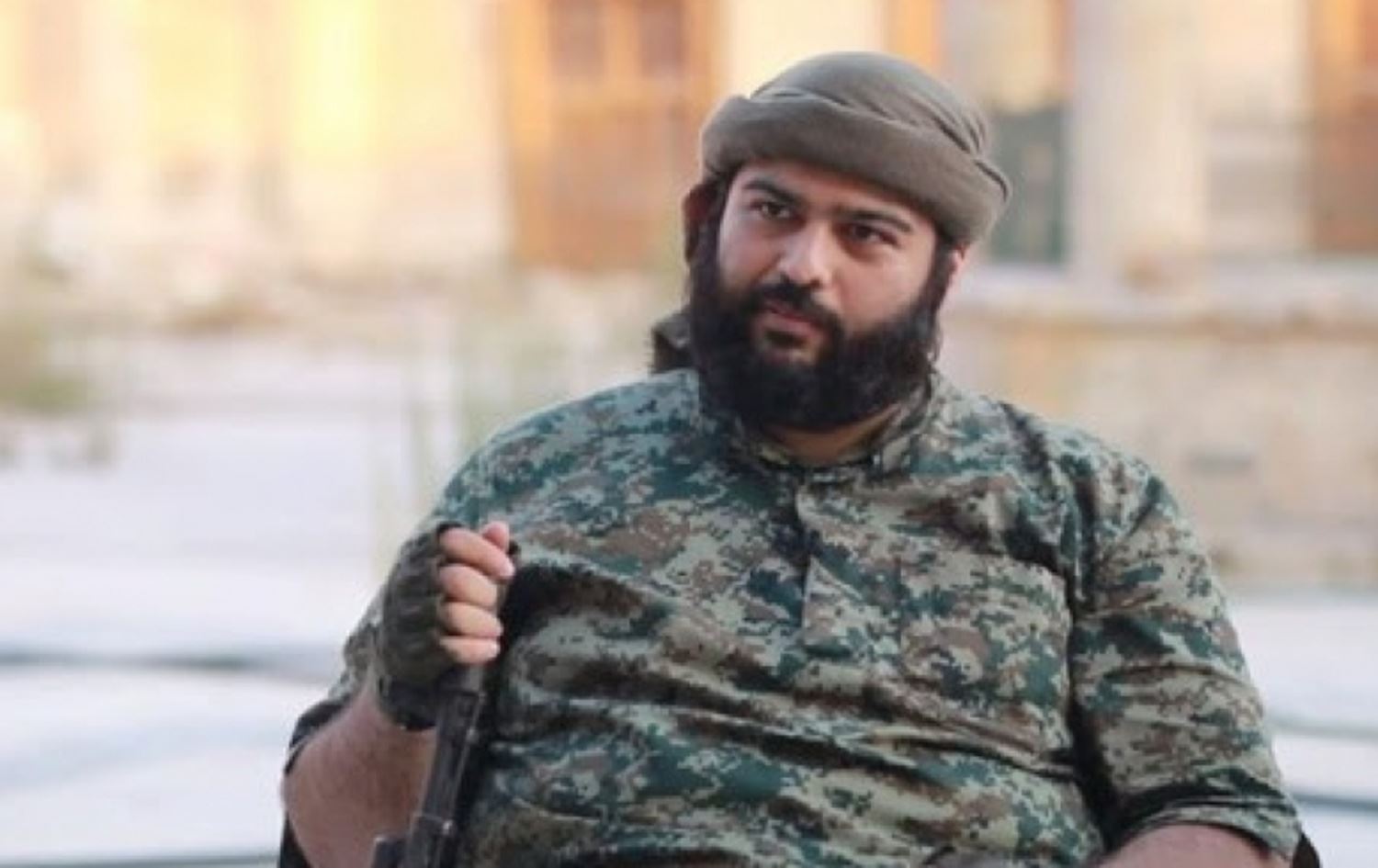
Abdallah al-Muhaysini is a Saudi Islamic cleric who became one of the most influential jihadist religious figures operating inside Syria during the civil war. He arrived in Syria around 2013 and embedded himself with Jabhat al-Nusra (al-Qaeda's Syrian affiliate) and later the Jaish al-Fatah coalition. He became known for recording recruitment videos with fighters before suicide bombings and for religious rulings (fatwas) justifying military operations. He played a key ideological and recruiting role in the 2015 Idlib offensive that toppled regime control of Idlib city, and in subsequent operations in northwest Syria. The U.S. designated him a Specially Designated Global Terrorist in 2016. His whereabouts became unclear after HTS consolidated control in Idlib; some reports suggest he was expelled or fled after tensions with HTS leadership.
Abdel Aziz al-Khair
عبد العزيز الخير
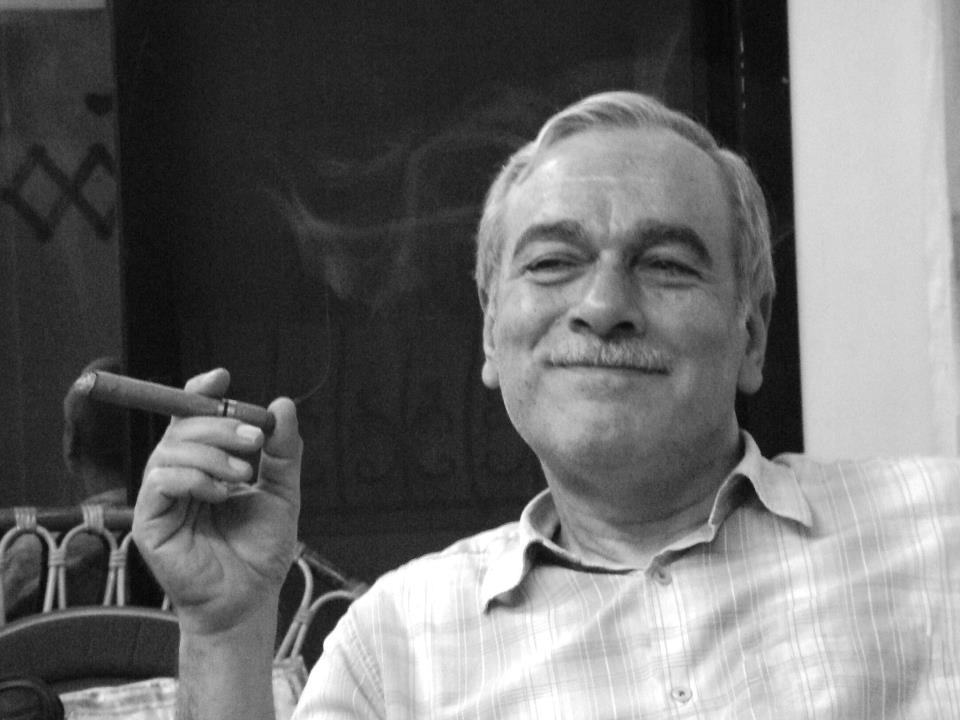
Abdel Aziz al-Khair was one of Syria's most prominent secular leftist opposition figures, a leader of the People's Democratic Party (a communist-derived party), who spent 22 years in Assad's prisons (1987-2009). Released in 2009, he participated in the Syrian opposition after 2011 and was disappeared by Syrian security services at Damascus airport in September 2012 upon returning from a diplomatic trip. His fate remains unknown as of 2025.

Abdul Baset al-Sarout
عبد الباسط الساروت
Abdul Baset al-Sarout was Syria's most iconic revolutionary figure. A goalkeeper for the Syrian national youth football team, he became the singing voice of the Homs uprising in 2011 — leading protest chants that echoed across the Arab world. After the Assad government killed members of his family and destroyed his neighborhood of Baba Amr, he took up arms. He was wounded repeatedly over eight years of fighting and died of his wounds on June 8, 2019. He was 27 years old and never stopped singing.
Abdul Halim Khaddam
عبد الحليم خدام
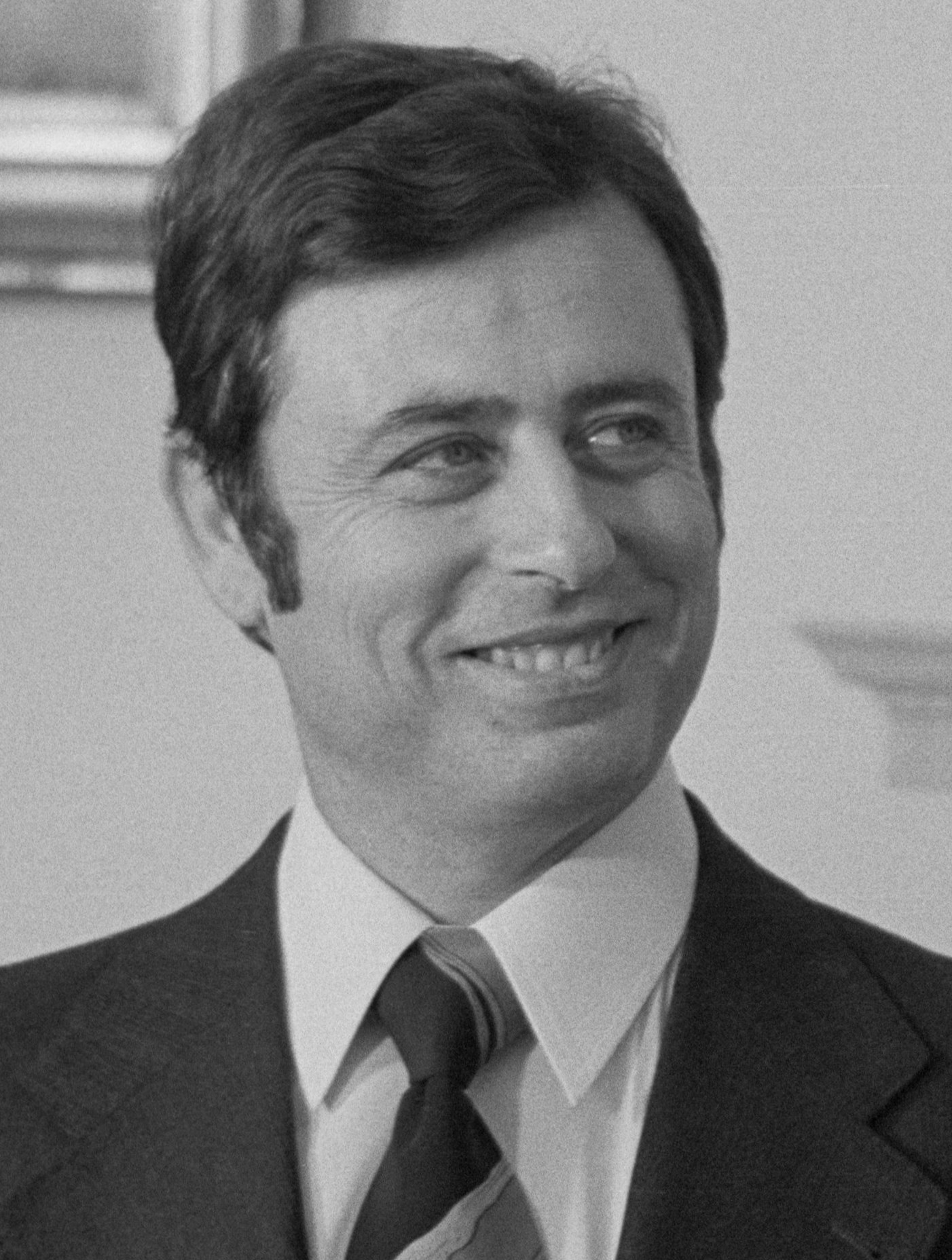
Abdul Halim Khaddam served as Syria's Foreign Minister (1970–1984) and Vice President (1984–2005), making him the regime's most senior Sunni official for three decades. A key orchestrator of Syria's Lebanon policy and the Hariri assassination network, he defected in 2005 after falling out with Bashar al-Assad and became the first senior regime official to publicly oppose Bashar from exile. He died in Paris in 2020.
Abdullah Öcalan
عبدالله أوجلان
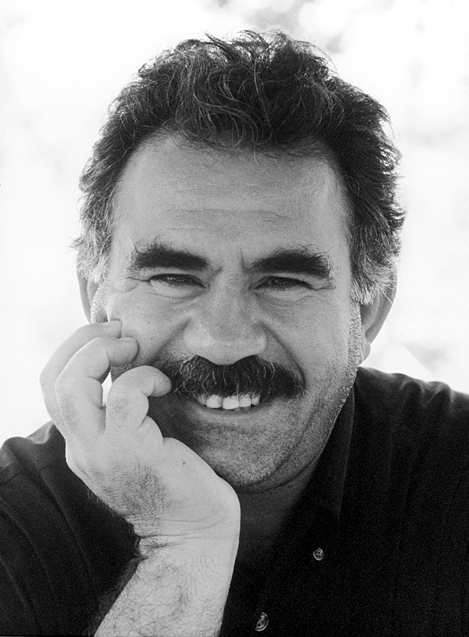
Abdullah Öcalan, also known as Apo, is a founding member of the militant Kurdistan Workers' Party (PKK).

Abu al-Qa'qa'
أبو القعقاع
Abu al-Qa'qa' (Mahmoud Qul Aghasi, c. 1973–2007) was an Aleppo-based Salafi preacher who ran jihadist networks funneling fighters to Iraq under Syrian intelligence direction. His 'Ghuraba al-Sham' network sent an estimated 1,000–3,000 fighters to the Iraqi insurgency between 2003 and 2007. He was assassinated outside his mosque on September 28, 2007 — most analysts believe by the Assad regime, which had cultivated then eliminated him when he became a liability.

Abu Bakr al-Baghdadi
أبو بكر البغدادي
Abu Bakr al-Baghdadi was the founder and self-proclaimed caliph of the Islamic State (ISIS/ISIL/Daesh), the most destructive terrorist organization of the 21st century. Born Ibrahim Awwad al-Badri in Samarra, Iraq in 1971, he was a cleric who rose through al-Qaeda in Iraq to declare a caliphate spanning Syria and Iraq in June 2014. His organization was responsible for genocides, mass executions, sexual slavery, and war crimes against Yazidis, Kurds, Christians, and Shia Muslims. He was killed in a US Special Operations raid in Barisha, Idlib, Syria on October 27, 2019.

Abu Khaled al-Suri
أبو خالد السوري
Abu Khaled al-Suri (real name Mohamed Bahaiah) was a senior Syrian jihadist who co-founded Ahrar al-Sham — one of the most powerful Islamist armed groups in the Syrian civil war — and served as al-Qaeda's representative in Syria. He had spent years in Afghan jihad and was imprisoned in Syria before 2011. After the uprising began he played a key role in establishing and leading Ahrar al-Sham, which distinguished itself from ISIS by focusing on Syrian territory rather than transnational caliphate ambitions, while remaining aligned with al-Qaeda ideology. He was assassinated in Aleppo in February 2014, almost certainly by ISIS, in a bombing that also killed several other senior Ahrar figures. His death accelerated the open conflict between ISIS and other Syrian rebel factions.

Abu Mohammad al-Adnani
أبو محمد العدناني
Taha Subhi Falaha, commonly known by his nom de guerre Abu Muhammad al-Adnani al-Shami, was a Syrian-born militant leader who was the official spokesperson and a senior leader of the Islamic State. He was described as the chief of its external operations. He was the second most senior leader of the Islamic State after its leader Abu Bakr al-Baghdadi. Media reports in August 2016 suggested he was in charge of a special unit, known as the Emni, that was established by IS in 2014 with the double objective of internal policing and executing terrorist attacks outside IS territory.
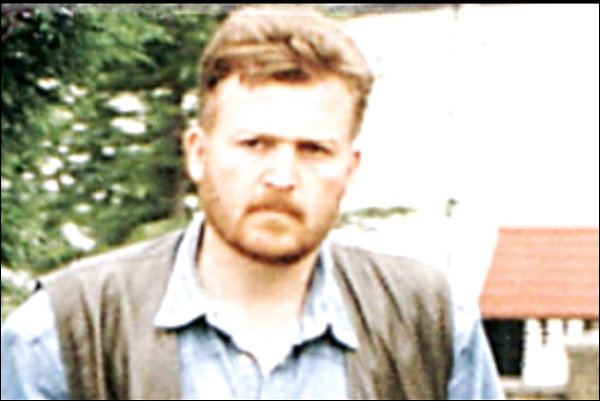
Abu Musab al-Suri
أبو مصعب السوري
Abu Musab al-Suri, born Mustafa bin Abd al-Qadir Setmariam Nasar, is a suspected Al-Qaeda member and writer best known for his 1,600-page book The Global Islamic Resistance Call. He is considered by many as 'the most articulate exponent of the modern jihad and its most sophisticated strategist'.

Abu Omar al-Shishani
أبو عمر الشيشاني
Abu Omar al-Shishani (real name Tarkhan Tayumurazov) was a Chechen-Georgian military commander who became one of the most feared and effective field commanders of ISIS in Syria and Iraq. Born in the Pankisi Gorge of Georgia — an ethnic Chechen area bordering Russia — he served in the Georgian army and fought in the 2008 Russia-Georgia war before being imprisoned in Georgia on weapons charges. After his release he traveled to Syria, joined jihadi groups in 2012–2013, and quickly rose to command ISIS's northern Syria operations. He led major ISIS offensives including the capture of Menagh Air Base (August 2013), key battles in Aleppo Province, and the advance across northern Syria in 2013–2014 that gave ISIS control of vast territory. He was appointed ISIS's 'Minister of War' — essentially military chief of staff — and was described by US officials as one of the most significant ISIS military leaders. He was killed in a US airstrike in Iraq in July 2016.
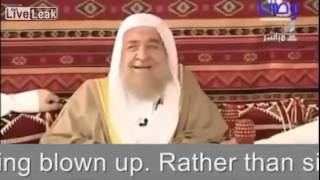
Adnan al-Arour
عدنان العرعور
Adnan al-Arour (born c. 1952, Hama) is a Syrian Salafi preacher who fled Syria after the 1982 Hama massacre and settled in Saudi Arabia, where he hosts programs on Wesal TV and Al-Safa channel. A supporter of the 2011 revolution, his infamous 'meat grinder' threat against Alawites who backed Assad became the Assad regime's most-used propaganda clip, allowing the regime to reframe an anti-dictatorship uprising as an anti-Alawite sectarian war.

Ahmad al-Jarba
أحمد الجربا
Ahmad al-Jarba is a Syrian tribal leader and politician who served as president of the Syrian National Coalition from July 2013 to July 2014. Born in 1969 in Qamishli, he is the leader of the Shammar tribe — one of the most powerful Sunni Arab tribes spanning Syria, Iraq, Jordan, and Saudi Arabia — and is closely allied with Saudi Arabia. He was among the first opposition figures arrested in March 2011 and released in August 2011. Elected National Coalition president on July 6, 2013, he met with US President Obama and represented the opposition at the Geneva II peace conference in January 2014.

Ahmad al-Sharaa
أحمد الشرع
Ahmad al-Sharaa — formerly known by his nom de guerre Abu Mohammad al-Jolani — is the Syrian statesman who led the armed offensive that toppled Bashar al-Assad's 54-year dynasty in December 2024 and became Syria's transitional president on January 29, 2025. Born in Riyadh in 1982 to a Syrian family and raised in Damascus's Mezzeh neighborhood, he traveled to Iraq after the 2003 US invasion, was imprisoned in Abu Ghraib and Camp Bucca, and was released in 2011 to establish al-Qaeda's Syria branch — Jabhat al-Nusra. Over the following decade he methodically broke from al-Qaeda, evolved his movement into Hayat Tahrir al-Sham, built a functioning governance structure in Idlib, and in November-December 2024 led the military campaign that swept through Aleppo, Hama, Homs, and Damascus in eleven days. He entered Damascus on December 8, 2024, as Assad fled to Moscow.

Alan Henning
آلان هينينغ
Alan Henning was a British taxi driver and volunteer humanitarian aid worker from Eccles, Salford, who traveled to Syria on a charity aid convoy organized by the Rochdale Aid4Syria group in December 2013. He was captured by ISIS at the Syrian border while delivering food and medical supplies. He was held for approximately 10 months. ISIS released a video on October 3, 2014, showing his execution — the fourth Western hostage killed by the organization that year, following James Foley, Steven Sotloff, and David Haines. His execution was particularly shocking to British communities because he was known to many Muslims in his hometown, who had traveled with him, vouched for him, and pleaded with ISIS to release him on the grounds that he was a genuine friend of Muslims. ISIS ignored these appeals. He was 47 years old.

Ali Duba
علي دوبا
Ali Duba served as the head of Syria's Military Intelligence Directorate from 1974 to 2000 — 26 years at the apex of Syria's most feared intelligence branch. An Alawite from the Golan region, he was one of Hafez al-Assad's most trusted security barons and was directly involved in the 1982 Hama massacre, the Lebanon intelligence network, and the Pan Am 103 investigation. He was removed in 2000 when Bashar came to power.
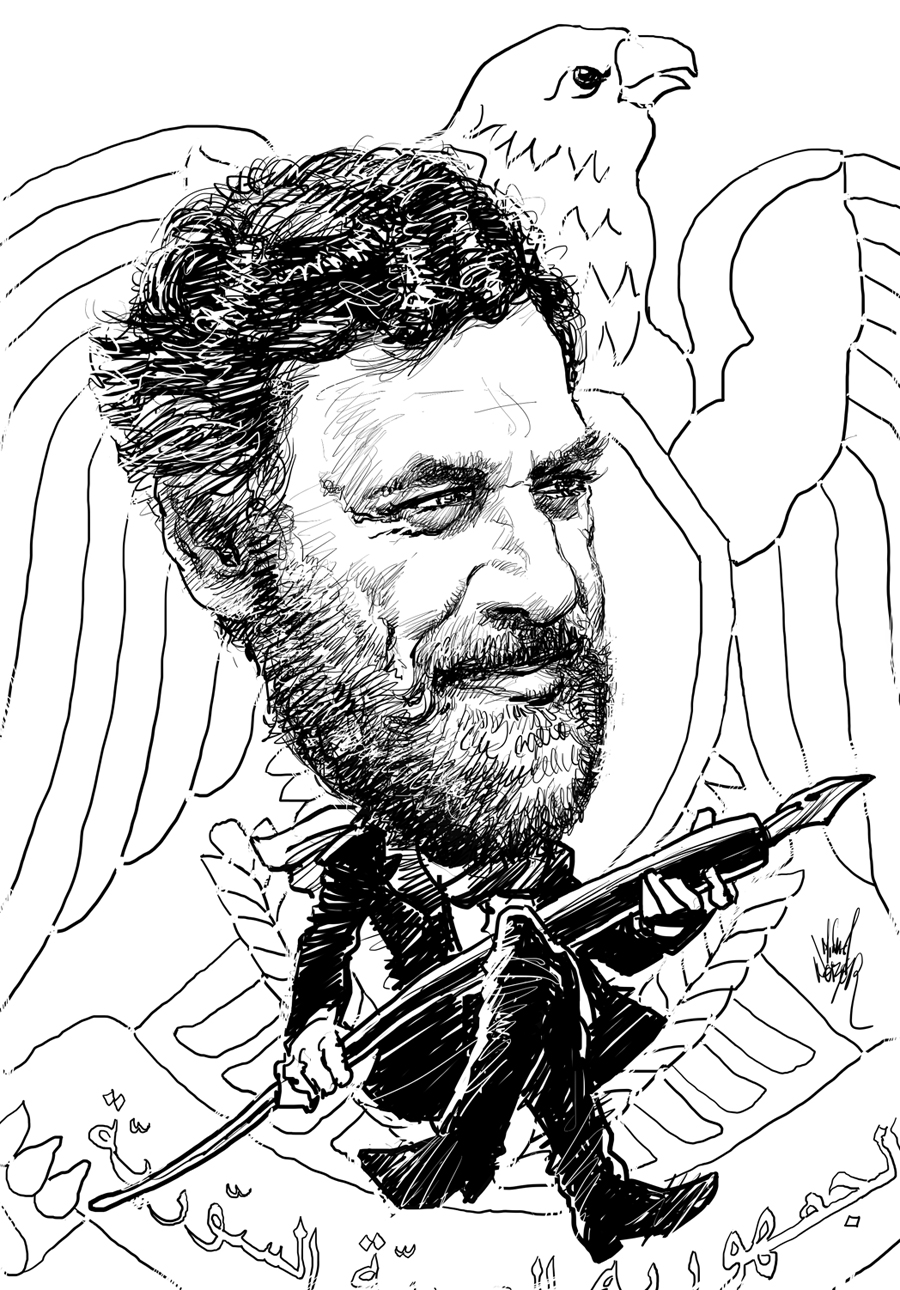
Ali Farzat
علي فرزات
Ali Farzat is widely regarded as the Arab world's greatest living political cartoonist. Born in Hama in 1951, his satirical cartoons have challenged Arab authoritarian rulers for over five decades. He founded Al-Domari (The Lamplighter) in 2001 — the first independent publication in Syria in 40 years — which the Assad regime shut down in 2003. On August 25, 2011, regime security forces stopped his car in Damascus and deliberately broke both his hands — a targeted message about his anti-regime cartoons. He won the Sakharov Prize for Freedom of Thought in 2011 and was named to Time Magazine's 100 Most Influential People in 2012. He lives in exile in Kuwait.
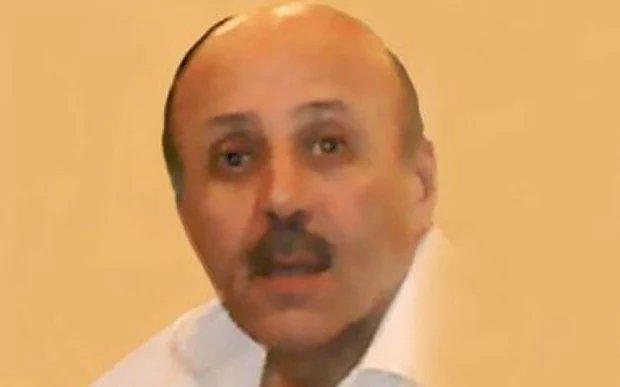
Ali Mamlouk
علي مملوك
Ali Mamlouk is Syria's most senior intelligence official — the head of the National Security Bureau (Maktab al-Amn al-Qawmi), which coordinates all of Syria's intelligence agencies. A Sunni Muslim trusted by both Hafez and Bashar al-Assad, he is considered Bashar's closest intelligence advisor and the key figure coordinating Syria's detention and torture apparatus. He is subject to EU, US, and Canadian sanctions for his role in directing systematic repression. He remains in Syria as of 2025.

Anas al-Basha
أنس البشا
Anas al-Basha was a 27-year-old Syrian clown doctor who worked in East Aleppo, dressing as a clown to entertain traumatized children in the besieged city. He was killed on November 18, 2016 — the same day as Dr. Hamzeh — in an airstrike. Known as 'the clown of Aleppo,' his photographs went viral worldwide after his death, showing him in full clown costume surrounded by smiling children in a city under bombardment. His story became one of the defining humanitarian images of the Aleppo siege — the fragile persistence of hope and childhood in the rubble.

Anthony Shadid
أنتوني شديد
Anthony Shadid was a Pulitzer Prize-winning American journalist of Lebanese heritage, widely regarded as one of the finest foreign correspondents of his generation. He reported from across the Arab world for the Boston Globe, Washington Post, and New York Times, winning two Pulitzer Prizes (2004 for Iraq coverage; 2010 for coverage of Iraq's reconstruction). He was among the first major journalists to report from Syria after the uprising began in 2011, producing deeply human accounts of the conflict at enormous personal risk. He died on February 16, 2012, near the Syrian-Turkish border — apparently from an acute asthma attack while trying to cross from Syria back to Turkey. He was 43 years old. His death deprived the Syria coverage of one of its most skilled voices at a critical moment.
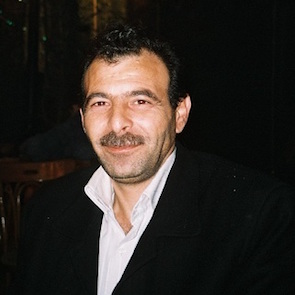
Anwar al-Bunni
أنور البني
Anwar al-Bunni is a Syrian human rights lawyer who has defended clients such as Riad al-Turk, Riad Seif, the owner of The Lamplighter,, Kurdish protesters, and "dozens of others."

Anwar Raslan
أنور رسلان
Anwar Raslan was the head of investigations at Branch 251 (State Security Damascus), Syria's most notorious torture facility. He defected from the Assad regime in 2012, eventually reaching Germany where he applied for asylum. In January 2022, the Koblenz Higher Regional Court convicted him of crimes against humanity — 4,000 counts of torture and 58 murders — and sentenced him to life imprisonment. It was the first conviction anywhere in the world of a Syrian government official for systematic torture.

Asaad al-Shaibani
أسعد الشيباني
Asaad Hassan al-Shaibani is a Syrian diplomat and politician who has been serving as the Minister of Foreign Affairs and Expatriates since 2024. He is one of Ahmed al-Sharaa's closest allies and one of the most prominent figures in the country's post-Assad government.
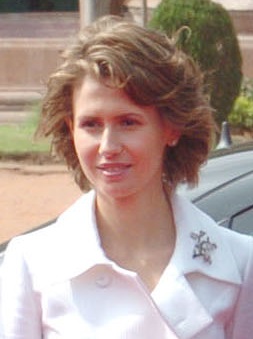
Asma al-Assad
أسماء الأسد
Asma al-Assad (born Asma Akhras) is the British-Syrian wife of Bashar al-Assad. She was born in London to a Syrian Sunni cardiologist father and a diplomat mother, educated at King's College London, and worked at JP Morgan before marrying Bashar in 2000. Vogue described her as 'a Rose in the Desert' in a February 2011 profile — published weeks before Assad began killing protesters. Her public image — as a modern, Western-educated, glamorous first lady — was used as propaganda to soften Assad's regime internationally. She remained in Syria throughout the civil war, was photographed visiting wounded soldiers and orphans, and was sanctioned by the EU and US in 2012. She fled to Russia with Bashar in December 2024.

Assef Shawkat
آصف شوكت
Assef Shawkat was Syria's Deputy Defense Minister and one of the most powerful figures in the Assad security establishment. He married Bushra al-Assad, Bashar's sister, in 1995 over Hafez's strong objections — the marriage was seen as a calculated move to embed himself into the inner family circle. He rose to head Military Intelligence and later became Deputy Defense Minister. He was killed in a bomb attack on the National Security headquarters in Damascus on July 18, 2012 — the deadliest blow to the Assad regime's inner circle during the civil war.
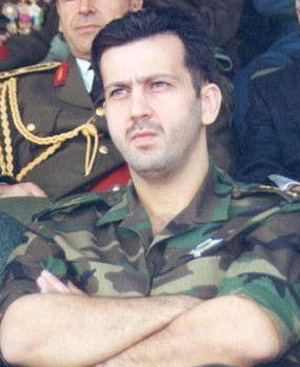
Atef Najib
عاطف نجيب
Atef Najib was Bashar al-Assad's maternal cousin and head of the Political Security Directorate in Daraa. In late February 2011, his forces arrested fifteen schoolchildren — aged ten to fifteen — who had written revolutionary graffiti on their school walls. The children were held for weeks and tortured. When their parents came to plead for their release, Najib told them to forget their children and make new ones. That cruelty turned grief into rage and ignited the Syrian revolution. He was sanctioned by the EU and US but never prosecuted. His current whereabouts are unknown.

Aylan Kurdi
إيلان كردي
Alan Kurdi, initially reported as Aylan Kurdi, was a two-year-old Syrian boy of Kurdish ethnic background whose image made global headlines after he drowned on 2 September 2015 in the Mediterranean Sea along with his mother and brother. Alan and his family were Syrian refugees trying to reach Europe from Turkey amid the European refugee crisis. Photographs of his body were taken by Turkish journalist Nilüfer Demir and quickly went viral, prompting international responses. Since the Kurdi family had reportedly been trying to reach Canada, his death and the wider refugee crisis became an issue i

Bana Alabed
بانا علبد
Bana al-Abed is a Syrian girl from Aleppo, Syria who, with assistance from her English-speaking mother, sent messages through Twitter documenting the siege of the city. Most of these tweets have documented issues such as airstrikes, destruction, hunger, displacement, the prospect of her and her family's death, her longing for a peaceful childhood, the al-Bab district of eastern Aleppo, and her general calls for peace.

Basel al-Shahada
باسل شحادة
Basel al-Shahada was a Syrian-American filmmaker and Yale Drama School student who left his studies in 2011 to document the revolution in Homs. He trained citizen journalists, shot footage that reached international audiences, and stayed when everyone told him to leave. He was killed by Syrian army shelling on May 28, 2012, in the besieged Karm al-Zeitoun neighbourhood of Homs. He was twenty-eight years old. His footage and the footage he taught others to capture became part of the visual record of Syria's siege.
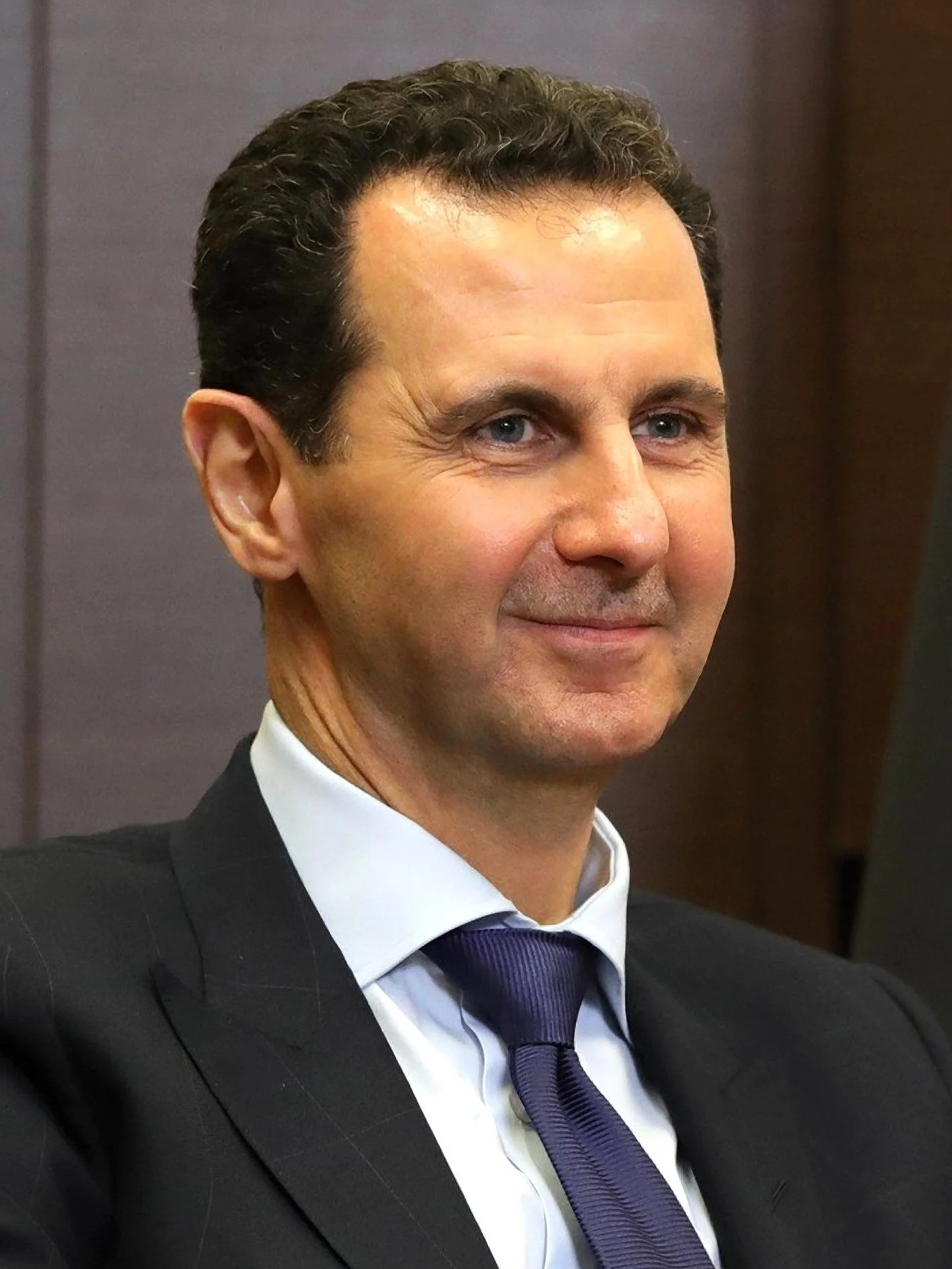
Bashar al-Assad
بشار الأسد
Bashar al-Assad ruled Syria from 2000 to December 2024, when rebel forces captured Damascus and he fled to Moscow. The second son of Hafez al-Assad, he was not groomed for leadership until his older brother Bassel died in 1994. An ophthalmologist by training, he inherited a police state apparatus he did not build but proved willing to use with maximum brutality — killing an estimated 500,000 Syrians and displacing over 12 million in the 2011-2024 civil war. He fled Syria on December 8, 2024 and was granted asylum by Russia.
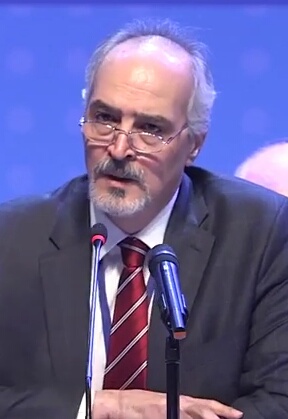
Bashar Jaafari
بشار الجعفري
Bashar Jaafari served as Syria's Permanent Representative to the United Nations from 2002 to 2019. He was Syria's diplomatic voice at the Security Council through the entirety of the civil war, using the podium to deny chemical weapons attacks, condemn UN investigations, and defend the Assad regime's every action. He used procedural maneuvers and rhetorical skill to delay, obstruct, and deflect international accountability. Sanctioned by the EU and US. He also served as Syria's chief negotiator at the Geneva peace talks.

Bassel al-Assad
باسل الأسد
Bassel al-Assad was Hafez al-Assad's eldest son and chosen heir, groomed to inherit the Syrian presidency. A military officer with a personal cult of the hero — excellent horseman, trained paratrooper, champion equestrian — he embodied the image Hafez wanted for his dynasty. His death in a car accident on January 21, 1994 forced Hafez to recall Bashar from London, setting Syria on a completely different path.

Bassel Khartabil
باسل خرطبيل الصفدي
Bassel Khartabil was a Palestinian-Syrian software developer and Creative Commons coordinator who built open digital infrastructure for Syria and the Arab world. Arrested at a Damascus checkpoint in October 2012, he served his full four-and-a-half-year sentence in Adra Prison — then was secretly transferred to Saydnaya and executed on October 3, 2015, without anyone being told. The global #FreeBassel campaign ran for nearly two years after his death. His wife Noura al-Ameer, who led it, learned the truth only in August 2017.

Bouthaina Shaaban
بثينة شعبان
Bouthaina Shaaban is a Syrian academic and politician who served as political and media adviser to the presidency under Bashar al-Assad until his overthrow in 2024. Shaaban had previously served as the first Minister of Expatriates for the Syrian Arab Republic between 2002 and 2008, and was described as the Syrian government's face to the outside world at the time.

Burhan Ghalioun
برهان غليون
Burhan Ghalioun is a Syrian sociologist and professor of political sociology at the Sorbonne in Paris, and director of the Centre d'Etudes sur l'Orient Contemporain (CEOC). Born in Homs in 1945, he has lived in political exile in France for decades and published a landmark 'Manifesto for Democracy' in the late 1970s. He was elected the founding head of the Syrian National Council (SNC) in August 2011 — the main umbrella opposition body — and became the face of the Syrian opposition in international media. He resigned on May 17, 2012, accused of being too close to the Muslim Brotherhood and failing to build a unified opposition.
Caesar (anonymous)
قيصر (مجهول الهوية)
Caesar is the pseudonym of a Syrian military photographer who worked for the Syrian government's military police, photographing the corpses of detainees who died in Assad's detention centers. Between 2011 and 2013 he smuggled out 53,275 photographs documenting systematic torture and mass death. The images — authenticated by a war crimes legal team — were presented to the UN Security Council and became the most compelling physical evidence of the Assad regime's systematic murder of detained civilians. Caesar fled Syria in 2013. His identity remains secret for security reasons. The US Caesar Syria Civilian Protection Act (2019) is named after him.

Carla Del Ponte
كارلا ديل بونتي
Carla Del Ponte is a Swiss former prosecutor who served as Chief Prosecutor of the International Criminal Tribunals for the former Yugoslavia and Rwanda (1999–2007), where she led the prosecution of war criminals including former Yugoslavian president Slobodan Milošević. In 2012 she was appointed to the UN Commission of Inquiry on Syria, tasked with investigating war crimes in the Syrian conflict. In 2017 she resigned from the Commission in protest, publicly stating that the international community had failed Syria and that meaningful accountability for the crimes she had documented was politically impossible. Her resignation was a direct indictment of the international system's failure to act on Syria.

Faisal al-Qassem
فيصل القاسم
Faisal al-Qassem is a Syrian journalist and the host of 'The Opposite Direction' (Al-Ittijah al-Muakis), Al Jazeera Arabic's flagship debate program, which he has hosted since 1996. The show — which brings together guests with diametrically opposed views and often features highly charged debates — became one of the most watched political programs in the Arab world. Al-Qassem, himself Syrian, covered the Syrian uprising and civil war extensively on the program, hosting debates that featured Syrian opposition voices, regime defenders, and regional actors. His show's amplification of Syrian opposition voices — enabled by Al Jazeera's Qatari ownership and Qatar's policy of supporting the Syrian opposition — was itself a factor in the information ecosystem of the Syrian conflict. His career represents the intersection of Arab satellite media, Gulf politics, and the Syrian information war.

Farouk al-Sharaa
فاروق الشرع
Farouk al-Sharaa is a Syrian politician and diplomat. He was one of the most prominent officials in the government of Ba'athist Syria and served as foreign minister from 1984 to 2006, then as vice president until 2014.
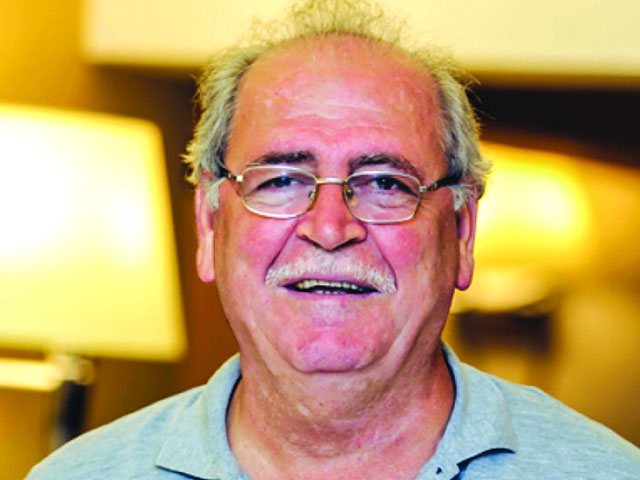
Fayez Sara
فايز سارة
Fayez Sara is a Syrian journalist, writer, and opposition figure who spent decades as a prominent voice of democratic opposition in Syria before 2011 and became an important figure in the Syrian National Coalition and Geneva peace negotiations afterward. He has been imprisoned multiple times by the Assad government for his journalism and political activities, including a stint in Sednaya prison. His career spans from the 1970s leftist opposition to the post-2011 mainstream Syrian opposition — a continuity of democratic dissent across half a century of the Assad system.
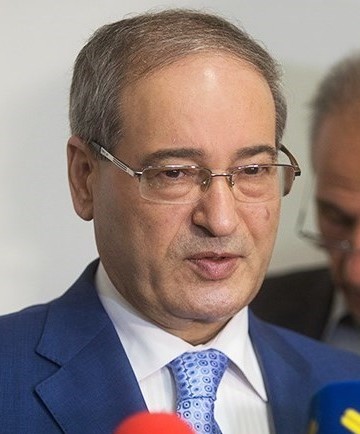
Faysal al-Mekdad
فيصل المقداد
Faisal Mekdad is a Syrian diplomat and politician who served as the last vice president of Ba'athist Syria from September until 8 December 2024. He previously served as Foreign Minister of Syria from 2020 to 2024 and as Syria's Permanent Representative to the United Nations from 2003 to 2006.

Francois Hollande
فرانسوا هولاند
François Hollande served as President of France from 2012 to 2017. His presidency coincided with the most intense phase of the Syrian civil war, and France was among the most vocal Western governments calling for international intervention and accountability for Assad's atrocities. Hollande repeatedly called for military action — most prominently after the Ghouta chemical attack of August 2013 — but was ultimately unable to act unilaterally when the U.S. backed down from its threatened strikes. France supported the Syrian opposition, provided assistance to the HNC, and pushed for Security Council referral to the ICC. France also bore the devastating cost of Syrian-conflict-linked terrorism: the November 2015 Paris attacks, claimed by ISIS, killed 130 people, directly triggering French military operations against ISIS in Syria. Hollande declared France 'at war' with ISIS following the attacks.

Geir Pedersen
غير بيدرسن
Geir Otto Pedersen is a Norwegian diplomat, who is the former and the most recent United Nations Special Envoy for Syria.
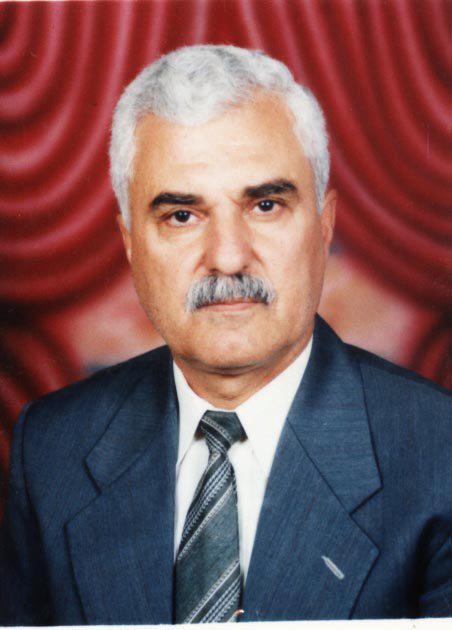
George Sabra
جورج صبرا
George Sabra is a Syrian Christian politician and longtime communist activist who became a prominent face of the Syrian opposition after 2011. He served as president of the Syrian National Council (SNC) and later as a leading figure in the Syrian National Coalition, becoming one of the most visible Christian voices supporting the revolution. His participation challenged the Assad government's narrative that it was protecting religious minorities. He spent years imprisoned by the Assad regime for his political activities before the uprising.
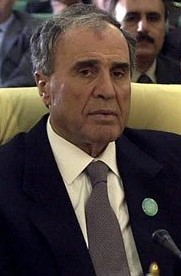
Ghazi Kanaan
غازي كنعان
Ghazi Kanaan was Syria's intelligence chief in Lebanon from 1982 to 2002 — 20 years as the effective ruler of Lebanon from behind the scenes. An Alawite from Latakia, he built a vast personal patronage network across Lebanese politics, business, and security. He was later recalled to Syria as Interior Minister. He died of an apparently self-inflicted gunshot wound in October 2005, days after giving testimony to UN investigators probing the Hariri assassination — a death many analysts considered suspicious.

Ghiyath Matar
غياث مطر
Ghiyath Matar was a young Syrian activist from Daraya whose commitment to non-violent resistance made him an icon of the early revolution. Known as 'Little Gandhi' for handing flowers and water to security forces during protests, he was detained by Syrian intelligence in September 2011 and died under torture three days later at the age of 25. His death shocked the opposition and became a rallying point for the protest movement.

Hafez al-Assad
حافظ الأسد
Hafez al-Assad ruled Syria from 1971 until his death in 2000 — 29 years. Born into a poor Alawite family in the mountains of Latakia, he rose through the Ba'ath Party and military to seize absolute power in the 1970 Corrective Movement coup. He built a totalitarian surveillance state, crushed all opposition — most devastatingly at Hama in 1982 — and positioned Syria as a key regional power through alliances with Iran, Hezbollah, and Palestinian factions. He died without achieving his stated goal of peace with Israel and the return of the Golan Heights, bequeathing his system to his son Bashar.

Hafez Makhlouf
حافظ مخلوف
Hafez Makhlouf is Bashar al-Assad's cousin — son of Anisa Makhlouf (Bashar's mother's family). He served as a director of Palestine Branch (Branch 235) of Syrian Military Intelligence, one of Syria's most feared detention facilities. A member of the Makhlouf family that controlled vast portions of Syria's economy, he was sanctioned by the EU and US for his role in directing repression after 2011. He fled Syria and reportedly went to Russia.
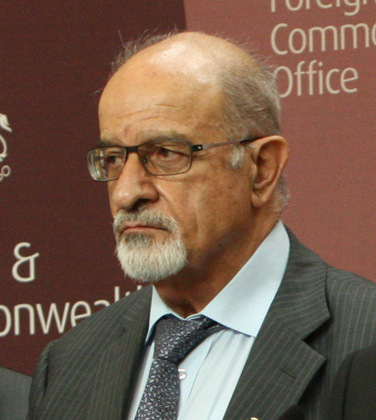
Haitham al-Maleh
هيثم المالح
Haitham al-Maleh spent his life defending people in Assad's courts and paying for it in Assad's prisons. First jailed under Hafez al-Assad in the early 1980s for seven years without trial, he was arrested again in October 2009 at the age of seventy-eight — after giving a television interview criticising the government — and sentenced to three years. He was released in March 2011 as protests began. Syria's oldest political prisoner by that measure, he continued working from abroad after leaving Syria. He is among the most important symbols of Syria's decades-long human rights movement.

Hala Kodmani
هلا قدماني
Hala Kodmani is a Franco-Syrian journalist and political analyst who became a prominent spokesperson for the Syrian opposition during the revolution. Based in Paris, she served as a media representative for the Syrian National Council and later the National Coalition, working to amplify the opposition's voice in European capitals. She has written extensively on Syrian affairs and the Arab world.

Hamza al-Khateeb
حمزة الخطيب
Hamza Ali al-Khateeb was a 13-year-old Syrian boy who died while in the custody of the Ba'athist Syrian government in Daraa.

Hassan Abdel-Azim
حسن عبد العظيم
Hassan Abdel-Azim is one of Syria's most veteran opposition figures, a secular Arab nationalist lawyer who led the National Coordination Body for Democratic Change (NCB/NCCHR) — the main internal opposition coalition that chose to operate inside Syria rather than in exile. His position — calling for negotiations, dialogue, and political solutions while rejecting foreign military intervention — put him in conflict with both the exile opposition and the Assad regime, and made him a controversial figure in the revolution.
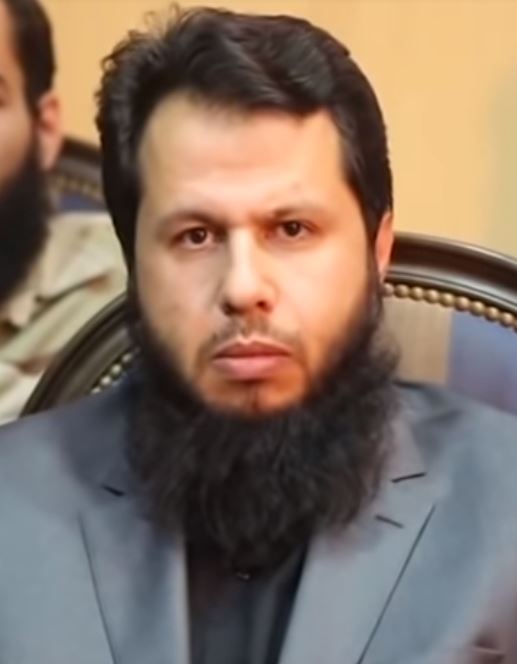
Hassan Aboud
حسن عبود
Hassan Aboud, known by his nom de guerre Abu Abdullah al-Hamawi, was the founder and leader of Ahrar al-Sham (The Free Men of Syria), one of the most powerful Islamist rebel factions in the Syrian civil war. Unlike the more internationally notorious Jabhat al-Nusra and ISIS, Ahrar al-Sham positioned itself as a Syrian nationalist Islamist movement and cooperated closely with other opposition factions — including in the joint operations that liberated Idlib province in 2015. Aboud was killed on September 9, 2014 in a bomb attack at a meeting of Ahrar al-Sham's leadership in Idlib province that killed most of the organization's top commanders in a single strike.
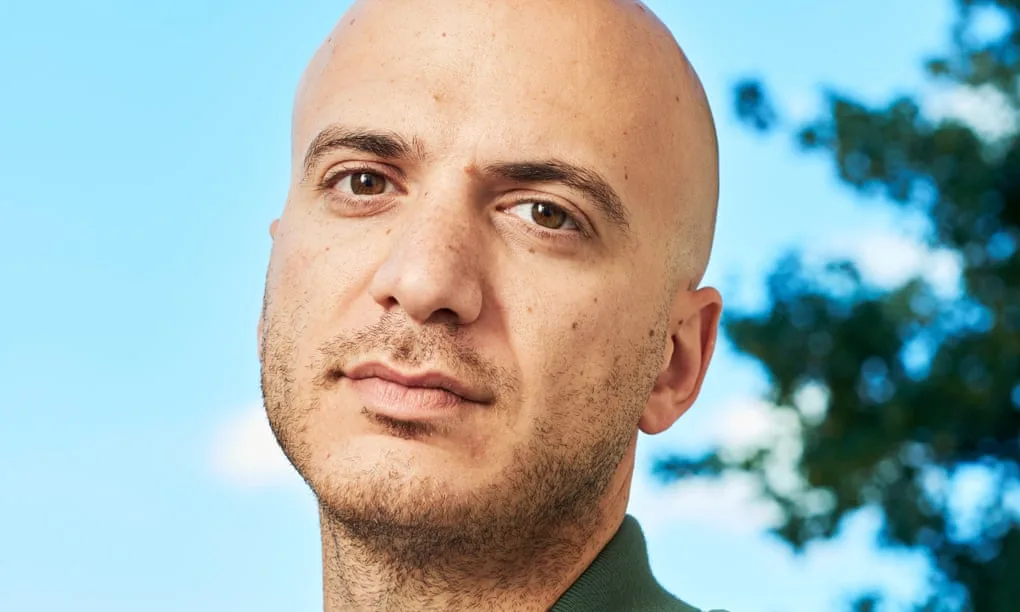
Hassan Akkad
حسن عقاد
Hassan Akkad is a British writer, filmmaker and human rights activist originally from Syria.

Hassan Nasrallah
حسن نصر الله
Hassan Nasrallah was the Secretary-General of Hezbollah from 1992 until his death in an Israeli airstrike on September 27, 2024. He built Hezbollah into the most powerful non-state military force in the world, with an arsenal of over 150,000 rockets and a combat-hardened army. His decision to send Hezbollah forces to fight for Assad in 2013 was decisive in preventing the regime's collapse. He was killed when Israel struck Hezbollah's headquarters in Beirut's southern suburb with bunker-buster bombs. His death, followed by the destruction of Hezbollah's command structure, directly contributed to Assad's inability to resist the December 2024 rebel offensive.
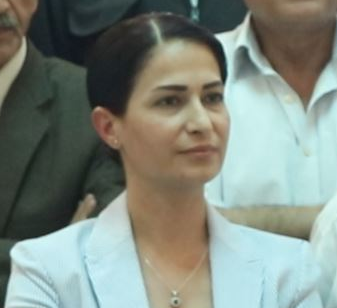
Hevrin Khalaf
هفرين خلف
Hevrin Khalaf was a Syrian Kurdish politician and Secretary-General of the Future Syria Party, a multiethnic, secular political party in northeastern Syria. She was killed on October 12, 2019, on the M4 highway near Serêkaniyê (Ras al-Ayn) during the Turkish military operation 'Peace Spring,' dragged from her car and executed by Turkish-backed Syrian National Army (SNA) factions. Video footage of her killing circulated widely. Her death provoked international outrage and was condemned by the UN and human rights organizations as a war crime. She had dedicated her career to building inclusive governance in the Autonomous Administration of North and East Syria (AANES), advocating for women's rights, interfaith coexistence, and political representation for all communities in post-Assad northeastern Syria.

Hind Kabawat
هند قباوات
Hind Kabawat is a Syrian-American Christian lawyer, peace negotiator, and conflict resolution specialist who has worked for decades to bridge sectarian divides in Syria and the Arab world. Based in the United States, she co-founded the Center for World Religion, Diplomacy and Conflict Resolution at George Mason University and has participated in multiple Syrian peace initiatives. She represents the tradition of Syrian civil society figures who engaged with both the government and the opposition in search of dialogue, and who tried to keep open a space for a negotiated settlement even as the war made that increasingly impossible.
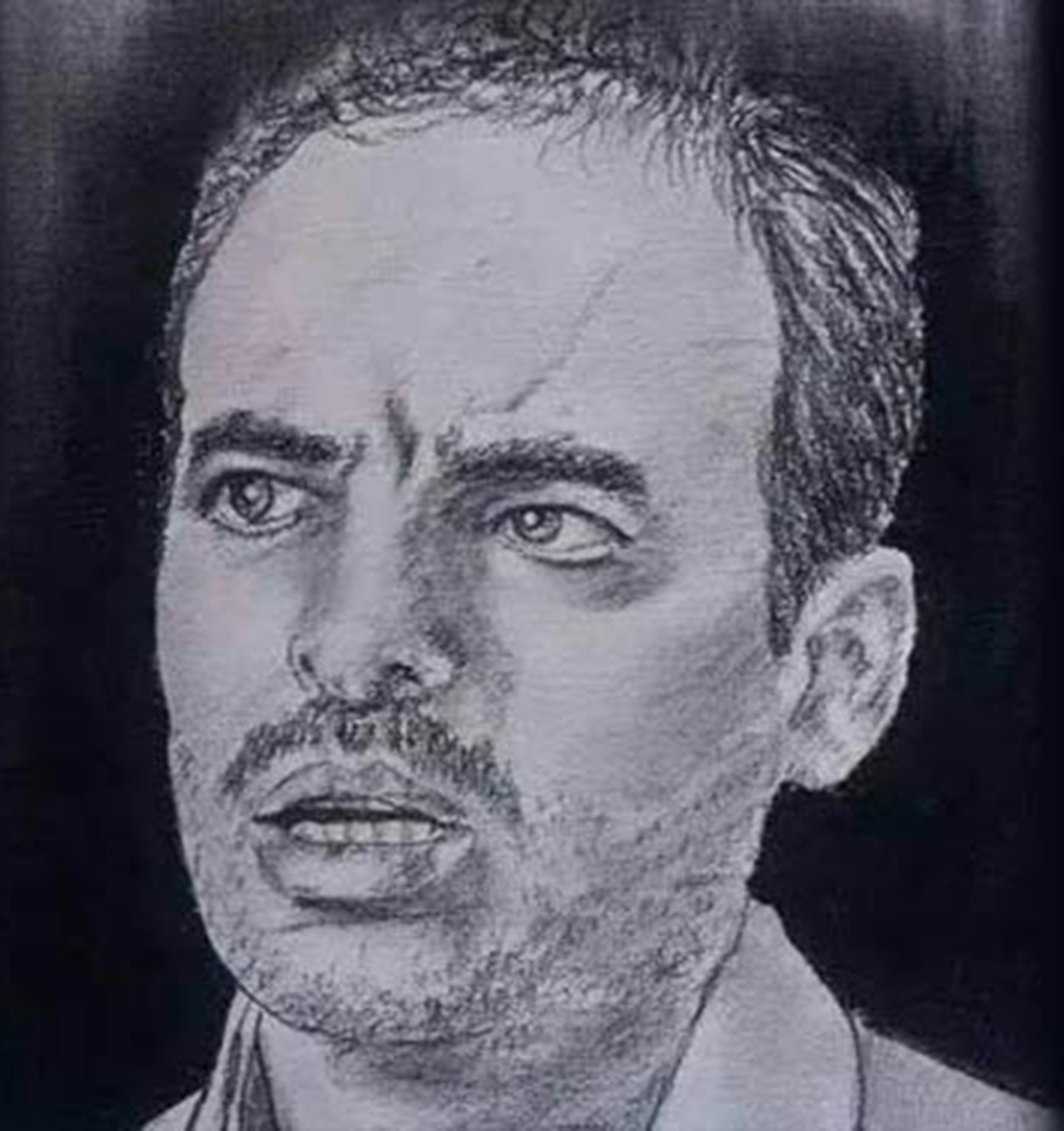
Hussein Harmoush
حسين هرموش
Hussein Harmoush was a Syrian army officer — a first lieutenant — who became the first Syrian military officer to publicly defect from the Assad government and announce the formation of the Free Syrian Army. On June 9, 2011, just three months after the uprising began, he appeared in a video broadcast from Turkish territory announcing that he and other officers were forming an armed force to protect Syrian protesters from the regime's security forces. He was later abducted from Turkish soil by Syrian intelligence agents, forcibly returned to Syria, appeared on Syrian state television recanting his defection, and was subsequently tried by a military court and sentenced to execution. His fate became a symbol of the risks facing Syrian defectors and the Assad government's willingness to conduct cross-border intelligence operations.
Ibrahim Abd al-Qadir
إبراهيم عبد القادر
Ibrahim Abd al-Qadir was a Syrian journalist and co-founder of Raqqa Is Being Slaughtered Silently (RBSS), a citizen journalism network that documented ISIS atrocities from inside the group's self-declared capital. After fleeing to Turkey, he was abducted in October 2015 and found beheaded along with fellow activist Fares Hamadi near the Turkish city of Sanliurfa. His murder drew international attention to ISIS's campaign to silence local journalists.